Resident Artists
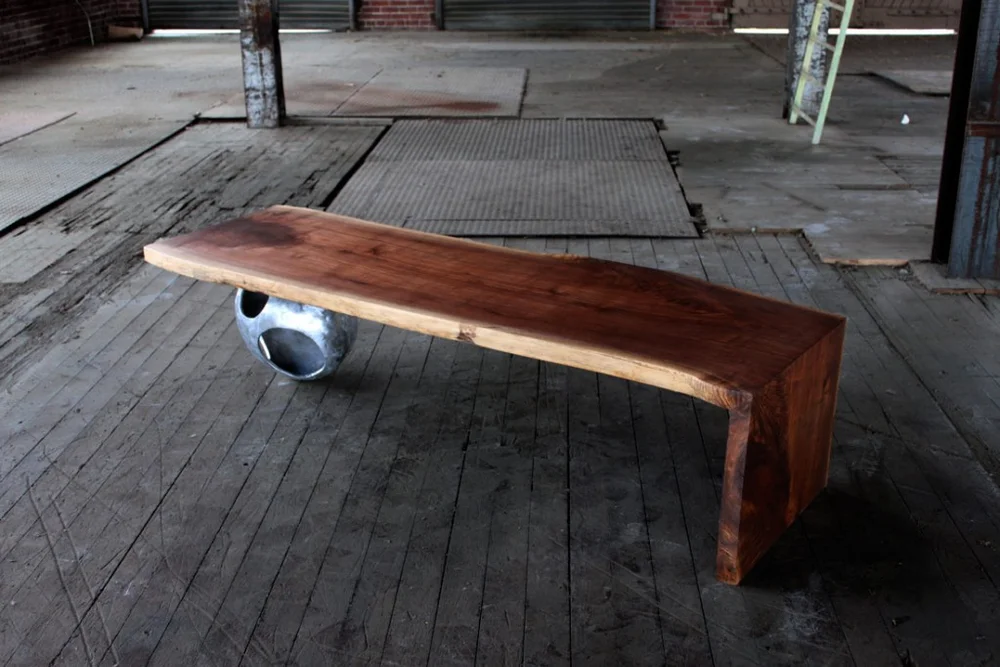
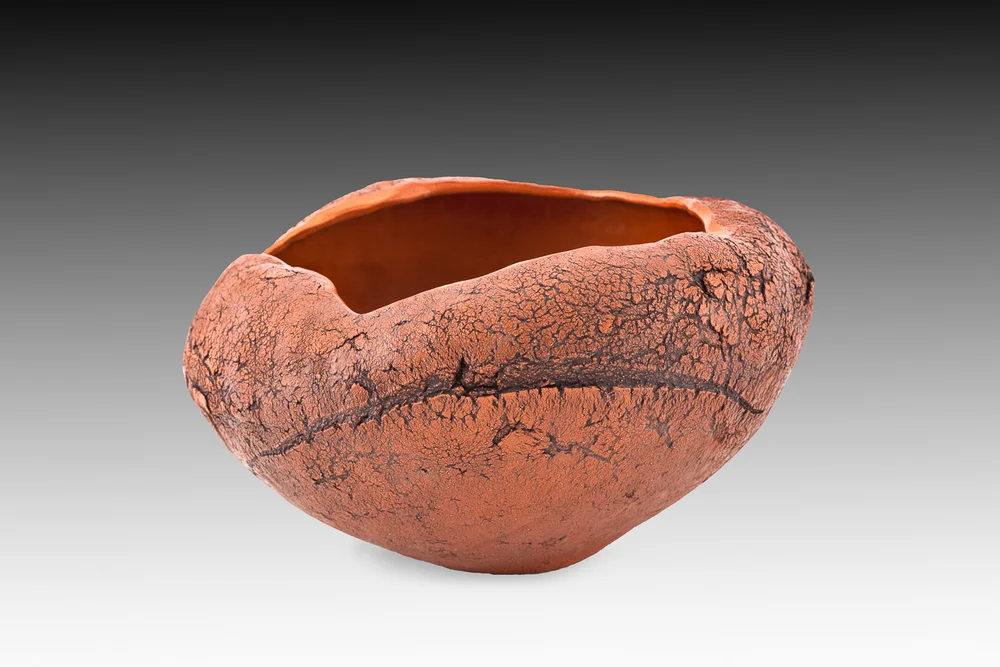
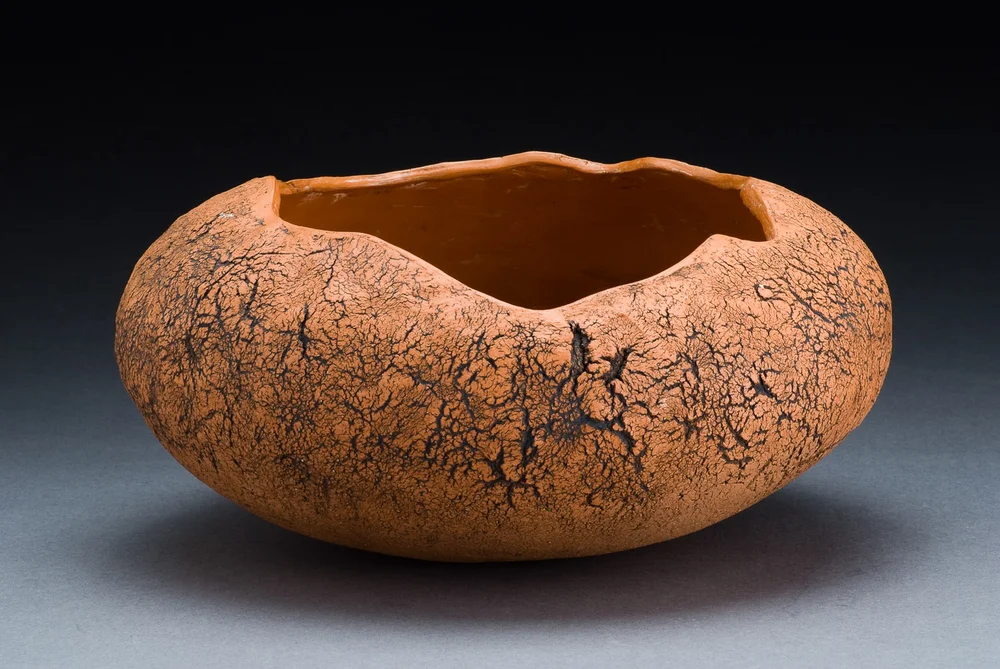
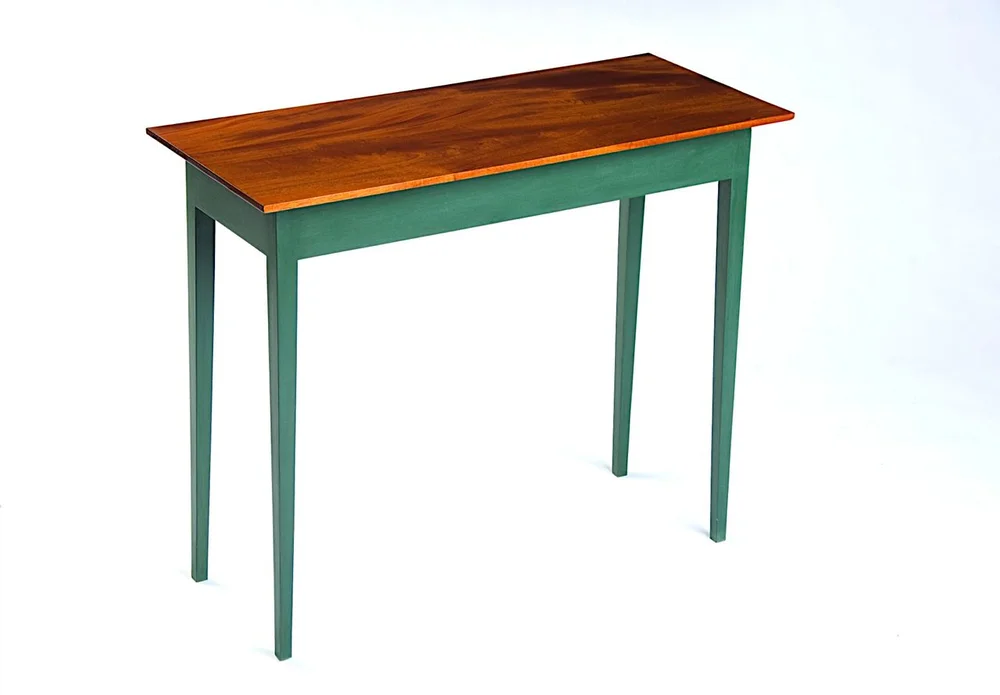
Eleven resident artists work at Liberty Arts, including Whitney Brown, George-ann Greth, Christian Hansen, and Timothy Werrell, among others.
Liberty Arts operates as a nonprofit arts incubator in Durham, North Carolina, bringing together sculptors, metalsmiths, and glass artists who share workspace, tools, and knowledge. The organization centers on collaborative practice, where makers teach and learn from one another while engaging the surrounding community through exhibitions, classes, and open studio events. By pairing a working foundry with gallery space, it functions simultaneously as a production facility and a public-facing cultural venue, inviting visitors to witness the full arc of sculptural work from raw material to finished artwork displayed in a gallery setting.
At the heart of the studio is a metal casting foundry where molten bronze and aluminum are poured into molds shaped from the surrounding disciplines of wood, clay, and plasma-cut metal. Iron pours are scheduled as community events that draw spectators who want to experience the heat, light, and heavy equipment of a traditional casting operation. Visitors often watch a crane lift glowing crucibles while artists direct the pour, weld finishing work, and then return to the gallery space to install the resulting sculptures as part of a rotating exhibition program that keeps the visual program fresh throughout the year.
Beyond foundry work, the studio offers a working environment for artists working in welding, ceramics, glass, and mixed media. Plasma cutting tables, welding bays, and hand tools support both functional commissions and personal studio practice. Resident artists maintain their own benches within the shared space, contributing to a culture of mentorship and skill sharing that defines the nonprofit's educational mission. This collaborative atmosphere encourages cross-pollination between disciplines, allowing a metalsmith to consult with a glassblower or a ceramicist to borrow techniques from iron casting, all under one roof.
The gallery program hosts rotating exhibitions that feature resident artists alongside invited regional makers, offering visitors a chance to see finished work created on-site. Exhibitions open with receptions timed to coincide with Durham's Third Friday art walks, drawing crowds from across the city into the Cordoba Building. Each show reflects the studio's emphasis on hands-on making, with most pieces documenting a process visitors may have witnessed earlier in the foundry or hot shop. The gallery functions as both a sales venue and a public platform for emerging and established North Carolina sculptors.
Classes and workshops form a core pillar of the organization's outreach, welcoming beginning and experienced makers into metal casting, glassblowing, and welding studios. Educational offerings range from single afternoon sessions to multi-week courses, often taught by resident artists or visiting instructors. Team-building workshops provide groups a creative alternative to conventional outings, while longer programs support interns pursuing deeper technical study. Participants leave with practical skills, finished pieces, and a fuller understanding of how a community foundry operates as both a creative laboratory and a small-scale manufacturing space.
Internships offer emerging artists an immersive introduction to foundry operations, studio management, and exhibition coordination. Interns rotate through departments, assisting with iron pours, gallery installations, and class preparation while building a portfolio of hands-on experience. The program reflects the organization's commitment to educating the next generation of sculptors and arts administrators. Mentorship from resident artists provides interns with professional references and a clearer sense of how a nonprofit arts organization sustains itself through earned revenue, grants, donations, and volunteer support from friends of the studio.
Community events anchor the studio's public calendar throughout the year, including iron pours, gallery openings, open studios, and seasonal celebrations that welcome families and curious passersby. These gatherings fulfill the nonprofit's broader purpose of using art to educate, entertain, and enrich Durham's diverse communities. Visitors are encouraged to watch, participate, and ask questions about the equipment and processes on display. Many events double as fundraisers, with proceeds supporting class scholarships, equipment maintenance, and free admission to exhibitions for residents who might otherwise lack access to a working arts venue.
The studio's identity draws on Durham's industrial heritage, repurposing buildings and equipment associated with the city's manufacturing past into a creative engine for contemporary sculpture. By preserving traditional foundry techniques while embracing digital tools like plasma cutting, the organization models how craft knowledge adapts to new technologies. Its presence within a broader ecosystem of local makers, galleries, and creative businesses positions Liberty Arts as a cornerstone of the regional arts scene, attracting visitors, supporting artists, and reinforcing Durham's reputation as a destination for handmade work rooted in community collaboration.
Supporters sustain the studio through memberships, donations, and purchases of artwork created on-site. Contributions fund equipment upgrades, class subsidies, and exhibition programming that keeps the gallery accessible to the widest possible audience. Volunteers contribute time during iron pours, openings, and workshops, helping maintain the energetic atmosphere that defines the space. Together, artists, students, donors, and visitors form the collaborative frame around which Liberty Arts continues to teach, learn, and inspire through the shared language of sculpture, metal, and glass.